Blog
Finding Ideal Meeting Space

When you are faced with the task of planning a meeting, start with an agenda to outline exactly what you’ll need, from arrival through departure. From day to day, from hour to hour, think about what you require in regards to meeting space, guestrooms, etc. When looking for ideal meeting space, consider the number of guests attending each event, and how you wish to have the room setup. Do you want theatre style, or crescent rounds? Are you seeking a u-shape or classroom style seating?
There are great tools available online to help determine how much meeting space you’ll want for optimal seating and comfort of your guests. One example of a meeting room space calculator is offered by Meetings.com.
Plug in the number of guests, and the style of seating you want, and the calculator will tell you the square footage of the room you’ll need. However, keep in mind, the square footage the calculator comes up with, does not take into consideration event production or audio visuals. You have to know what requirements you’ll have in each room, to allow for additional space, for example, a head table, a stage, screens, etc. Once you know the minimum square footage for seating your guests, ask hotels how much more space you need based on your event production requirements.
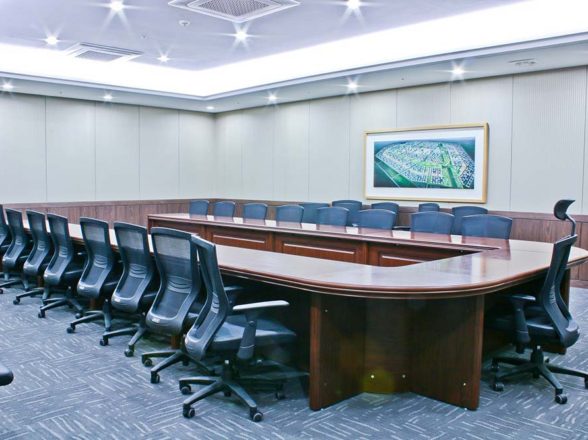
While shopping hotels for availability, properties will offer specific meeting rooms for the events. Use a meeting room space calculator to determine if the space a hotel is offering is just right, too tight or too large. Ideal meeting rooms are spacious, without feeling to cramped, and without too much space, either. Compare the square footage the calculator reveals to the size of the meeting rooms a hotel is offering. Keep shopping to find a hotel that will offer the most favorable size space for your meeting.
There are a variety of items on your checklist that you must have when looking for venues to host your meeting. At the top of the list is ideal meeting space, as this is where content is delivered, and you want attendees to be as comfortable as possible. It’s not easy to sit still and pay attention to speakers. However, when the meeting space has windows, for example, and the chairs are ergonomic and supportive, and there is a comfortable distance between each person, sitting becomes less of a conscious burden.
Planning meetings comes with the responsibility of taking care of people, from arrival through departure, and ideal meeting space is key to the successful outcome of presentations.